


What Baker does in Google Ads every day
Baker checks your Google Ads account every day and does the work it finds, the way a paid media specialist would. It reads the account directly, compares it with your real sales, and prepares the changes worth making. Typical work in a week:
- Cut searches that never sell. Baker reads the search terms report, finds the queries that spend without producing a lead or a sale, and adds them as negative keywords or to a shared negative list. For niba, six search terms had spent $410 in a month without a single quote request; Baker added all six as negatives.
- Find new keywords. It researches keyword ideas from your site or a few seed terms, with Google’s volume and cost estimates, and suggests which ad group each one belongs in.
- Write and refresh ads. New responsive search ad headlines and descriptions, written from what already sells for you, plus assets for Performance Max asset groups.
- Move budget and fix bidding. Budget goes to the campaigns that bring sales. When a campaign has enough conversions, Baker proposes bidding on them, for example moving from Maximize clicks to a target cost per demo.
- Build new campaigns. A new Search campaign for a product, a Shopping campaign from your Merchant Center feed, or Performance Max for a new market, with the budget, ad groups, keywords and ads set up together.
- Keep tracking clean. UTMs, tracking templates and conversion actions, including which conversions bidding should optimize toward and which should only be measured.
- Report. A weekly Google Ads review and alerts when something breaks, such as a campaign that stops serving.
Nothing goes live until you publish
Baker does the work, and a person on your team approves it. Every change waits in a review: the new keywords, the budget before and after, the ad text, each with the reason Baker made it. You approve it in one click, in Baker or in Slack.
When you publish, the changes apply to your real Google Ads account. If you discard the work, nothing changes. This is the core difference from handing an AI the keys: Baker works around the clock, but your account only moves when you say so.
Bidding on real sales, not form fills
Google’s bidding gets better the closer its conversions are to revenue. Baker connects your CRM to Google Ads so the campaigns learn from deals, not from form submissions.
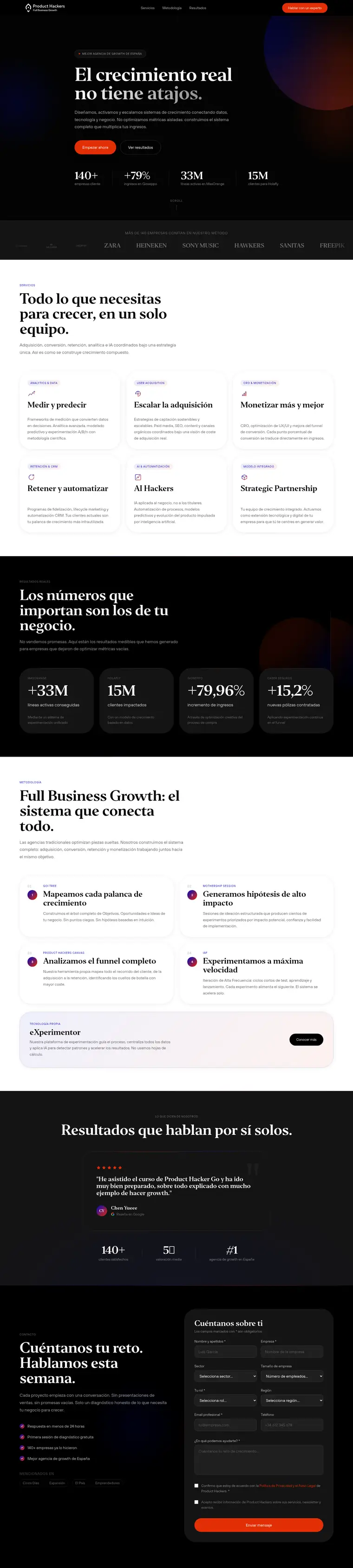
With HubSpot, Baker watches the deal or contact stages you care about, such as “qualified” or “closed won”, and sends each one back to Google Ads as an offline conversion, with its value. Nothing has to be built in HubSpot. For Product Hackers, a deal that came from a “Growth audit” search closed 41 days after the first click, and Baker sent the $12,000 sale back to Google Ads and Meta.
Baker also checks the basics that quietly break bidding: a conversion action marked primary whose goal is switched off, a website conversion whose tag is on no page, or auto-tagging turned off.
Ads and landing pages built for each search
A search ad is only as good as the page it sends people to. Baker builds landing pages and forms for your campaigns, in your brand, so a search for one product lands on a page about that product. It can then run an A/B test on the page and tell you which version brings more leads.
Because the same agent makes the ad, the page and the tracking, the three stay consistent. A new campaign arrives with its landing page and its conversion already in place.
For agencies running many Google Ads accounts
An agency can run every client’s Google Ads from one place. Each client has its own accounts, brand and Baker, and each person on your team sees only the clients you give them. You can ask which client is doing worst this month, or get one report across all of them, without opening account after account.
New clients connect their Google Ads with a setup link, without creating an account. Read more on Baker for agencies and in our guide to AI paid media tools for agencies with many clients.
Google’s own automation and Baker
Baker does not replace Google’s automation. It feeds it better inputs and does the work around it.
| Google’s automation (Performance Max, Smart Bidding, recommendations) | Baker | |
|---|---|---|
| What it optimizes toward | The conversions the account gives it | Real sales and deals from your CRM, sent back to Google |
| Search terms that waste budget | Left to you to review | Found and added as negatives, waiting for your yes |
| New ads and assets | Combines the assets you supply | Writes new ads and assets from what already sells |
| Landing pages | Not included | Builds a page for each campaign and tests it |
| Budget across campaigns | Spends each campaign’s own budget | Moves budget to the campaigns that sell |
| Changes to your account | Recommendations can be applied automatically | Nothing applies until you publish |
Other channels Baker runs
Google Ads is often one part of a paid mix. Baker runs Meta Ads and LinkedIn Ads from the same place, and it moves budget between channels when one sells better. For the bigger picture, read how AI agents are changing performance marketing and what an AI agent costs compared with an agency or an in-house team.
See what Baker would do in your account
Book a demo and we will show you what Baker would do first in your Google Ads account, or see the plans on pricing.






 Your Monday report is ready.